WordPress website design
Plan your page structure and create responsive layouts for your company, services, products and contact journeys.


A WordPress project brings together content, a theme, plugins and the people who maintain them. We help UK customers build or improve that combination, from business websites to supported WooCommerce workflows, with a defined scope and an editing handover.
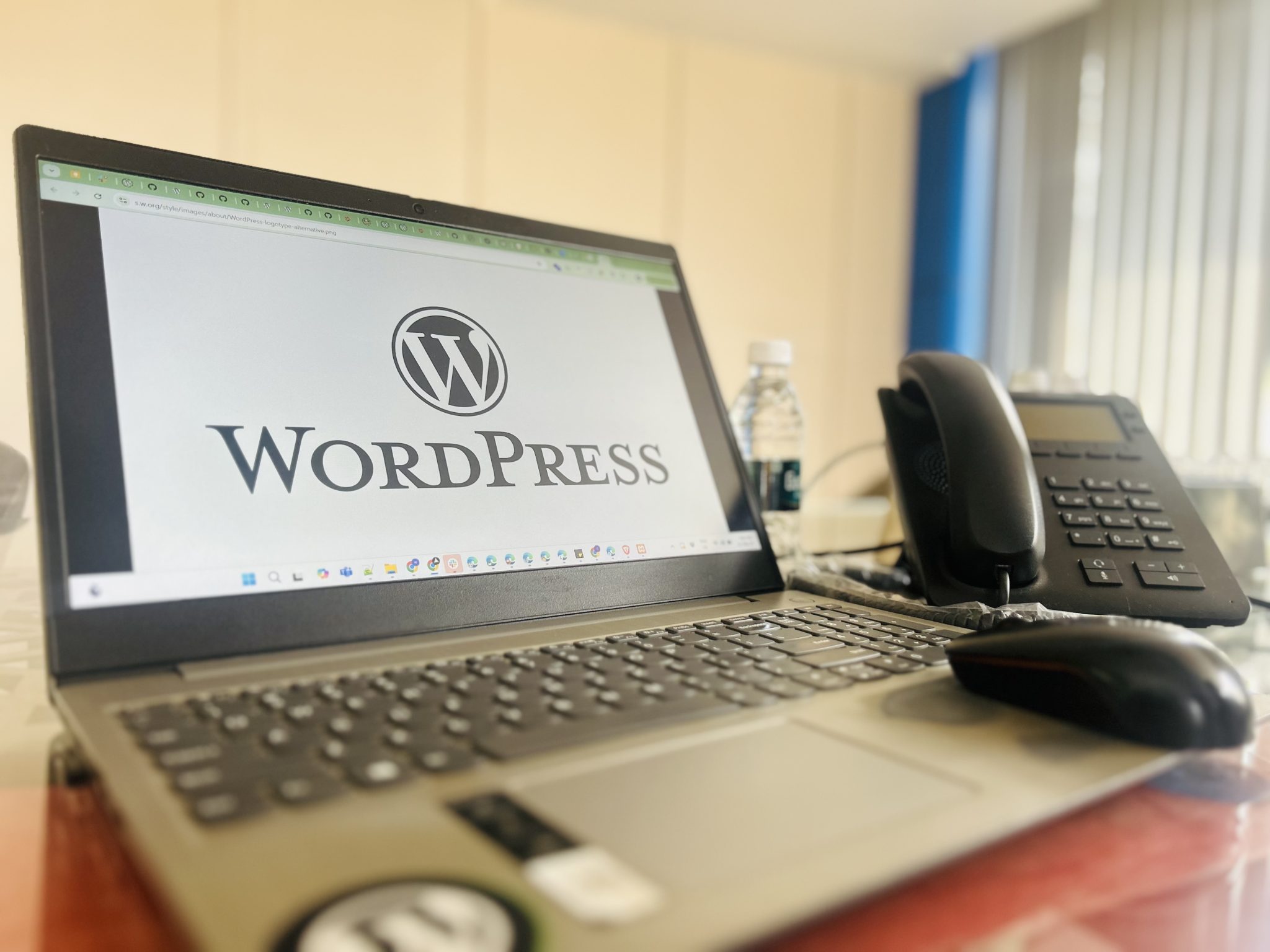
WordPress is an open-source content management system with themes, plugins, pages, posts and media tools. We bring those parts together around your business goals.
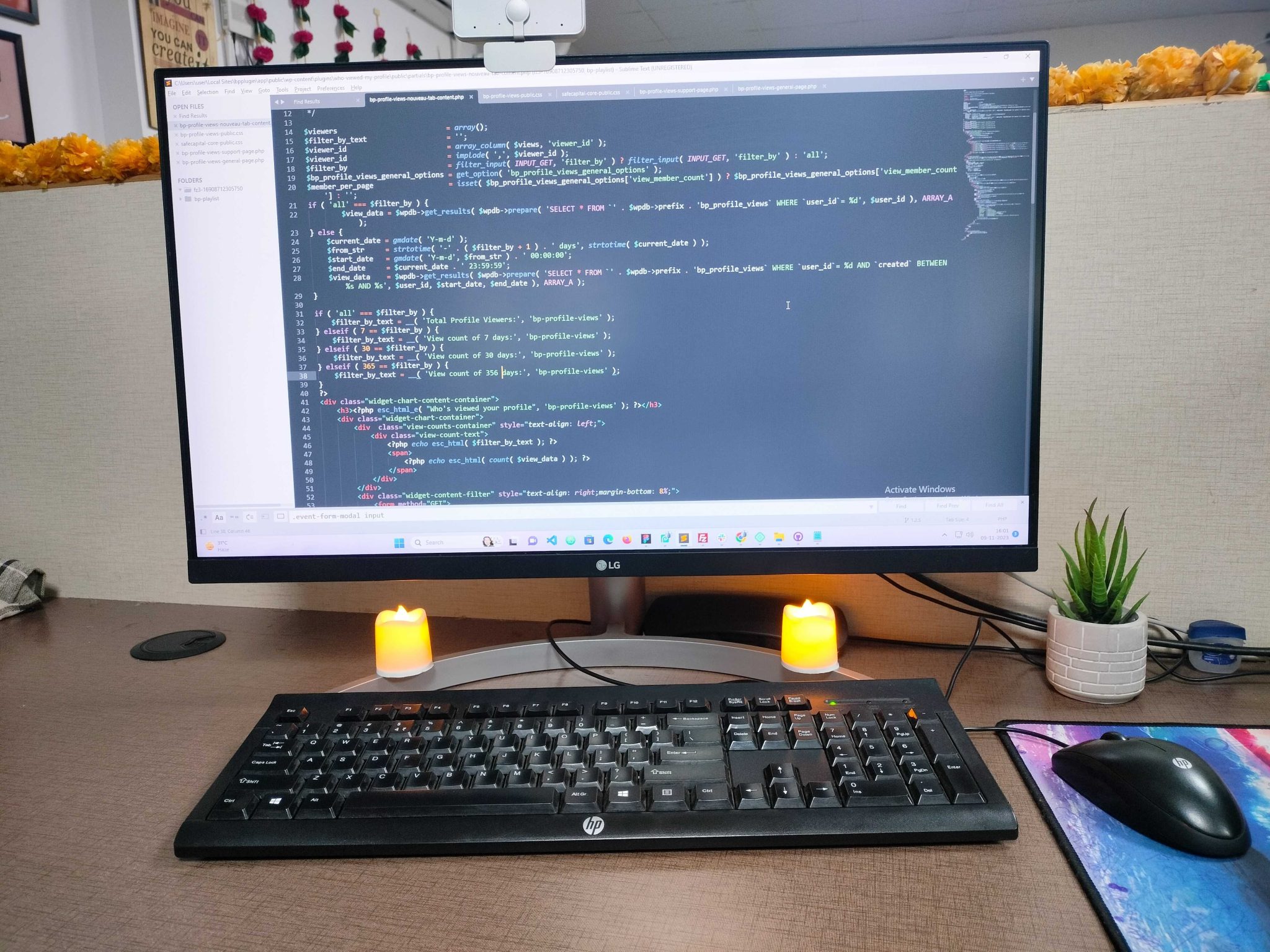
Present your company, explain your services, publish articles or build an enquiry journey that gives customers a clear next step. We plan the content and navigation before choosing the theme and plugins.
Already using WordPress? We can assess your current theme, plugins, hosting and content to scope a redesign, custom feature or migration.
Choose a complete website project or a focused improvement to an existing WordPress installation.
Plan your page structure and create responsive layouts for your company, services, products and contact journeys.
Create or customise WordPress templates and reusable layouts so your team can maintain agreed content areas.
Select suitable plugins, assess compatibility and develop focused custom functionality when the project requires it.
Connect enquiry forms, email delivery and supported business tools with defined data flows and permissions.
Optimise image delivery and review front-end assets. Configure descriptive metadata, headings, sitemaps and important URLs within scope.
Prepare hosting, move agreed content and data, check the finished site and coordinate the switch to the live domain.
The right structure depends on your audience, content and customer journey.
Introduce your business, explain what you offer and guide visitors towards a useful enquiry.
Organise posts, categories, media and publishing roles so your team can share useful content.
Present your products or work with structured pages and clear routes to more information.
Give a particular service or campaign a focused page with an agreed call to action.
Scope an appropriate commerce plugin, catalogue, payment and fulfilment workflow when you need to sell online.
Review design, usability, plugin conflicts or a content migration before deciding what needs to change.
Launching a WordPress site involves the environment, content and key customer journeys—not just uploading a theme.
Review hosting requirements, domain access, PHP/database compatibility and the agreed working or staging environment.
Implement the approved layouts, configure agreed plugins and add the supplied or commissioned content.
Review mobile layouts, links, forms, email delivery, permissions and any agreed integrations or commerce flows.
Plan the domain and TLS configuration, backups and any required URL redirects. Confirm the expected impact before migration.
Provide access through an agreed secure process, explain content editing and record update, backup and support responsibilities.
Ongoing WordPress care can be agreed separately around the site, its dependencies and the level of assistance you need.
Help the people responsible understand pages, posts, media and the agreed editing workflow.
Review WordPress, theme and plugin changes within an agreed maintenance arrangement.
Define backup ownership, recovery checks and how technical issues should be raised.
Bring your current URL, required pages and business priorities into the conversation.
Yes. We can scope the page structure, design, development, content setup and launch. Share your business goals, required pages and the main action you want visitors to take.
Yes. We first assess the current content, theme, plugins and hosting. The proposal identifies what can be retained, what needs rebuilding and how important URLs will be handled.
We can assess the environment and access requirements before confirming the deployment approach. If a different plan is needed, hosting options and subscription costs are discussed separately.
We agree the editable areas and user roles during planning. A suitable handover explains the publishing workflow and any limits around custom functionality.
Custom functionality can be scoped after reviewing the required workflow and supported interfaces. We assess compatibility and document the agreed behaviour and dependencies.
Only when the proposal explicitly includes them. Hosting, commercial themes, plugins and third-party services may have separate purchase or renewal costs.
We inventory the agreed URLs and plan preservation or redirects as appropriate. Migration scope, validation, backups and expected service impact are agreed before the switch.
Ongoing maintenance and support can be agreed separately. The arrangement defines update work, backup responsibilities, response scope and any additional development.
Share your current website or new-site brief, the pages and features you need, and your preferred launch timeframe.
BAZECITY UK
List the page types, forms and customer tasks the website must support. For an existing installation, review the current theme, essential plugins, supported versions and content before deciding what to retain. Custom development should solve an identified requirement rather than add another dependency without an owner or a plan for testing updates.
Agree how changes will be reviewed, where testing takes place and who manages hosting and account access. The handover should explain routine content editing and the support route for the agreed work. A development project does not make every plugin compatible or guarantee a search position; maintenance and later changes need an explicit arrangement.